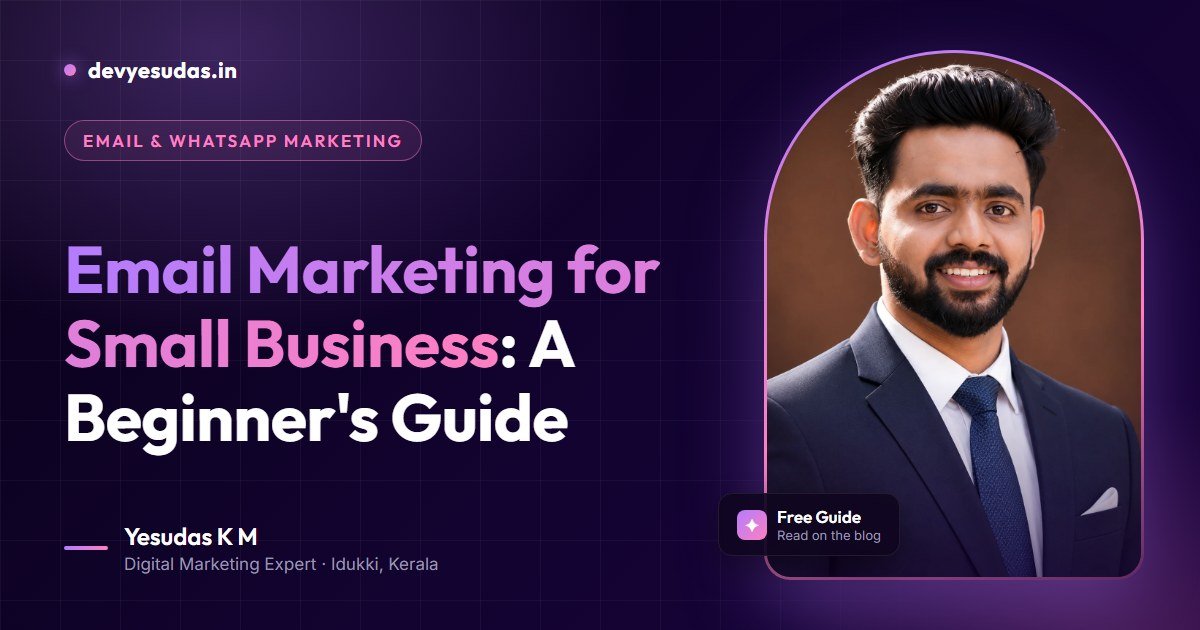
Social media platforms change their rules all the time, but your email list belongs to you. That is why email marketing for small business remains one of the most cost-effective ways to keep customers coming back. This guide shows you how to start, even if you have never sent a newsletter.
Why Email Marketing Still Works
- You own your list and are not dependent on social media algorithms.
- It is very low cost per message.
- People who subscribe already know your business, so they are more likely to buy.
- Automation lets you follow up with customers without manual work.
Step 1: Build Your Email List
Only email people who have agreed to receive your emails. Ways to grow your list:
- A sign-up form on your website, with a clear benefit.
- A lead magnet, such as a free guide, checklist, discount or price list.
- Collecting emails at checkout or during bookings.
- Sign-up links in your social media bios and WhatsApp messages.
Step 2: Choose an Email Platform
Use a dedicated email marketing tool instead of sending bulk emails from Gmail. Popular options include Brevo, Mailchimp and Zoho Campaigns. Look for an easy editor, automation features, good deliverability and pricing that fits your list size.
Step 3: Set Up Domain Authentication
Ask your developer or hosting provider to set up SPF, DKIM and DMARC records for your domain. These prove your emails are genuine and help them land in the inbox instead of spam.
Step 4: Plan Useful Content
Your emails should be helpful first and promotional second. Ideas include:
- Tips and how-to guides related to your products or services.
- New arrivals and seasonal offers.
- Customer stories and reviews.
- Behind-the-scenes updates.
- Invitations to events or workshops.
Step 5: Write Emails People Open
- Subject line: short, specific and interesting. Avoid spammy words and all caps.
- Preview text: adds context and encourages opening.
- One main message: keep each email focused.
- Clear call to action: one button that tells readers what to do.
- Mobile-friendly design: most emails are read on phones.
Step 6: Automate Key Emails
- Welcome series: introduce your business to new subscribers.
- Post-purchase follow-up: thank customers and ask for a review.
- Re-engagement: reach people who have not opened recently.
- Reminders: appointments, renewals and abandoned enquiries.
Step 7: Measure and Improve
Track open rate, click rate, unsubscribes and, most importantly, sales or enquiries from each email. Test different subject lines and send times.
Email and WhatsApp Together
In India, combining email with WhatsApp works especially well. Use WhatsApp for quick, time-sensitive messages and email for longer content, receipts and newsletters. Read my guide on WhatsApp Business marketing to set up both.
Frequently Asked Questions
How often should I send emails?
Start with once or twice a month and increase only if you have valuable content to share.
Can I buy an email list?
No. Bought lists damage your sender reputation, hurt deliverability and often break privacy laws.
Is email marketing good for local businesses?
Yes. Clinics, salons, schools, shops and resorts can all use email to bring back past customers.
Final Thoughts
Email marketing is a long-term asset that grows in value as your list grows. Start small, be helpful and stay consistent. If you would like a professional setup, my email and WhatsApp marketing services cover tools, templates, automation and reporting.